
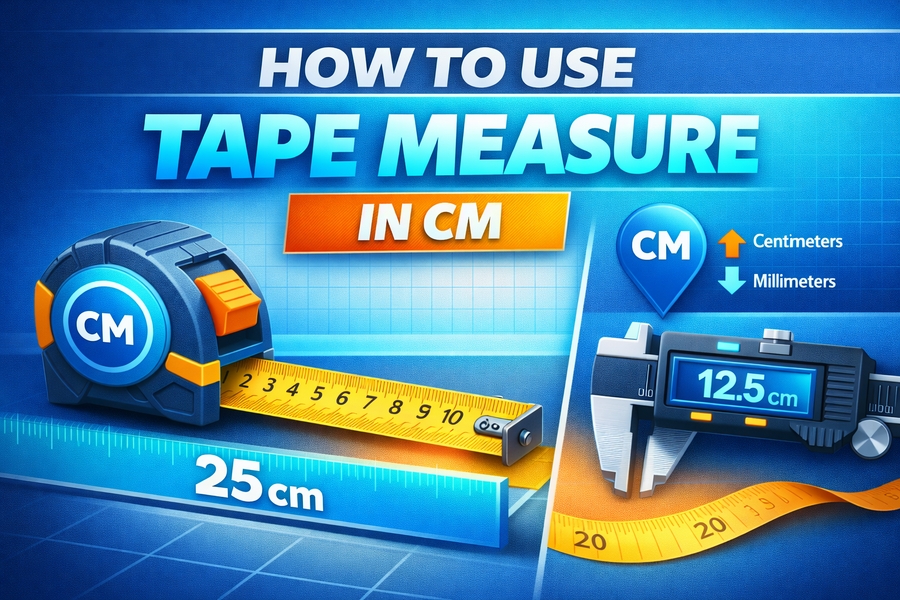
When it comes to measuring, a tape measure is one of the most essential tools you can own. Whether you’re working on a DIY project, measuring your home for furniture, or simply need to know the precise dimensions of an object, understanding how to use a tape measure in centimeters (CM) is crucial. This article will guide you through the process of reading a tape measure in CM, giving you the confidence to take accurate measurements.
What Is a Tape Measure and Why Use CM?
A tape measure is a flexible tool that allows you to take precise measurements of length or distance. It consists of a long, narrow strip marked with measurement units. Using a tape measure in centimeters is particularly useful for smaller measurements, where a higher level of precision is required.
When using a tape measure, understanding how to read the markings is essential. Most tape measures feature both imperial and metric systems, allowing users to choose the measurement system that works best for their needs. For those who need to measure in CM, understanding the increments and the smaller divisions can make a huge difference in the accuracy of the measurements. This is especially important for tasks like sewing, construction, or any project where precision is key.
If you’re looking to make conversions between units like inches and centimeters, you can use an instant measurement converter. This tool makes it easy to convert measurements to the desired unit, whether you need them in inches or centimeters.
How to Read a Tape Measure in CM
Reading a tape measure in centimeters requires an understanding of how the numbers are laid out. Each centimeter is typically divided into 10 millimeters, and these divisions are clearly marked on the tape. To begin, the tape measure will have the larger numbers indicating the full centimeters, while the smaller lines in between represent the millimeters.
For example, if you look at a section of a tape measure, you’ll notice that the numbers increase by one centimeter at regular intervals, while the smaller markings between them represent the 10 individual millimeters. By counting these marks, you can get precise measurements to the nearest millimeter. This allows for greater accuracy when working on projects that require detailed measurements.
For a better understanding of how to read different measurements like these, refer to a guide on sewing tape measures, which often provide both metric and imperial measurements for crafting.
Using a Tape Measure for Specific Tasks
When you use a tape measure in centimeters, it’s important to know how to apply it to different types of tasks. For example, when measuring the dimensions of a piece of furniture or checking whether a room is the right size for a new set of furniture, a tape measure in centimeters will allow you to make precise measurements.
For instance, when measuring a bed’s size, knowing its dimensions in centimeters will help ensure it fits perfectly in the intended space. If you’re unsure about the exact dimensions of a bed, you can look at the full size bed dimensions in feet to get a clearer understanding of how this measurement compares in the metric system.
Similarly, when you’re measuring for construction or home improvement projects, using centimeters provides a more accurate and standardized measurement that is universally recognized in many countries.
Converting Measurements: CM to Other Units
Often, you’ll need to convert measurements from centimeters to other units like inches or feet. While you can use a tape measure with both metric and imperial markings, it’s sometimes easier to use a conversion tool to make the process quicker.
The instant measurement converter can be a handy tool to quickly convert between centimeters and other units, saving you time and effort. These converters are designed to streamline the process, especially when you are working with multiple units and need consistency.
Tips for Accurate Measurement
To ensure that your measurements are accurate, it’s important to keep a few tips in mind:
- Align the Tape Measure Properly: Always start at the beginning of the tape, ensuring that the tape measure is aligned with the object you’re measuring. This ensures that you get an accurate reading from start to finish.
- Read at Eye Level: Make sure you’re reading the tape measure at eye level to avoid parallax errors. This is particularly important when measuring smaller increments, like millimeters.
- Keep the Tape Tight: When measuring, ensure the tape is taut and straight. A loose tape can result in inaccurate measurements.
- Marking the Measurement: Once you’ve taken the measurement, mark the spot before removing the tape to avoid confusion.
For more guidance on measurements and their applications, check out this guide on how to measure foot size in CM for women.
Conclusion
Learning how to use a tape measure in centimeters is an essential skill for anyone involved in DIY, construction, or craft projects. By understanding the markings and practicing precise measurements, you can ensure that your projects are built to the correct dimensions.
Whether you are measuring furniture, taking precise fabric measurements for sewing, or converting between units, the tape measure remains one of the most reliable tools for the job. With the right techniques and a bit of practice, you’ll be able to take accurate measurements every time.